8 Japanese whiskies that are worth it
The order is also our recommendation, from the best all-round choice to special discoveries. All prices are guide values and can fluctuate considerably depending on availability, because Japanese whisky is often scarce.
Advertisement: links to Amazon are affiliate links. If you buy through them, we earn a commission. The price you pay does not change.

Our clear recommendation for an entry with character. At a robust 51.4 percent ABV this cult blend is intense and yet remarkably round, with dried fruits, spice and oak. In terms of value for money it is hard to beat among the Japanese.

Hibiki Japanese Harmony
Probably the most elegant blend in the field and a classic gift. Honey, orange and fine floral notes meet the influence of Japanese mizunara oak. The gentle 43 percent ABV and the refined presentation make it a festive, very harmonious dram.

Hakushu Distiller's Reserve
A green, fresh single malt that pleasantly steps out of line. Green apple, herbs and a hint of fine smoke make it lively and unusual. If you like it clear and refreshing, you are spot on here.

Yamazaki Distiller's Reserve
An icon of Japanese single malt and for many the epitome of the style. Berry-like, sherried notes of strawberry and cherry combine with the typical mizunara spice. A layered malt for enjoying and comparing at leisure.

Suntory Toki
The light, inexpensive entry point and tailor-made for the Highball. Green apple and honey make it fresh and uncomplicated, neat or mixed. If you want to try Japanese whisky risk-free for the first time, start here.
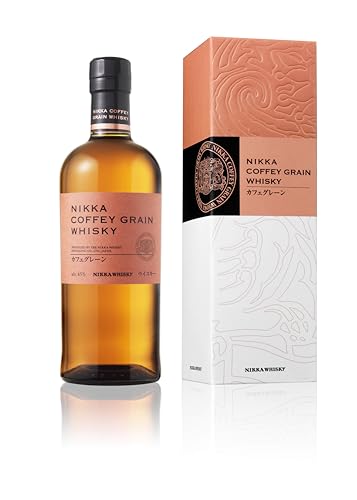
Nikka Coffey Grain
An unusually soft, sweet single grain from the Coffey stills. Vanilla, corn and coconut make it creamy and approachable. A nice change for anyone who would like to set aside the typical malt spice for once.

Nikka Days
A mild blend as a gentle introduction to the world of Nikka. Delicate malt and a little citrus make it light and friendly. Neat, a relaxed everyday dram and a good base for simple long drinks.
How Japanese whisky came about and what shapes it
The history of Japanese whisky begins in the early 20th century and is closely tied to the Scottish one. Pioneers travelled to Scotland, learned the craft there and brought it to Japan, where they developed it further with great care. To this day Japanese whisky noticeably takes its lead from the Scottish tradition but places even more emphasis on precision and balance.
Defining is the pursuit of harmony. Instead of a single dominant feature, the distilleries seek the perfect balance of fruit, malt, oak and sweetness. It is exactly this fine, very clean interplay that makes many Japanese bottlings so approachable and at the same time so distinctive.
Over the past decades Japanese whisky has won great international recognition and has gone from an insider tip to an established name. You can find an overview of the bottlings in our range at any time in the Japanese category.
Single malt or blend from Japan?
As in Scotland, there are two big camps in Japan: the single malt from a single distillery and the blend, which combines several whiskies into a coherent whole. Both styles are made to world-class standards in Japan, so the choice is above all a matter of taste.
Among the best-known single malts are the berry-like Yamazaki and the fresh, green Hakushu. On the blend side are the elegant Hibiki, the robust Nikka From The Barrel and the light Suntory Toki. The sweet Nikka Coffey Grain plays a special role as a pure single grain.
For getting started, a good blend is often the more relaxed choice, because it tastes round and uncomplicated. If you want to experience the character of a single distillery, reach for the single malt. What the terms mean exactly is explained in our guide single malt or blend, and you can compare prices and profiles conveniently in the whisky comparison.
This is how you can quickly place the most important Japanese styles:
| Style | Character | Example | Who it is for |
|---|---|---|---|
| Blended Japanese | round, harmonious, versatile | Nikka From The Barrel | Entry with character |
| Single malt | layered, fruity or green | Yamazaki | Enthusiasts and explorers |
| Single grain | soft, sweet, creamy | Nikka Coffey Grain | Friends of mild sweetness |
| Light blend | fresh, uncomplicated | Suntory Toki | Highball and everyday |
The overview is deliberately simplified. Within each group there are big differences, which you are best off tasting for yourself.
Mizunara oak and the Japanese Highball
A hallmark of Japanese whiskies is mizunara oak, a rare Japanese species of oak that is hard to work with. It matures the whisky slowly and gives it an unmistakable, spicy, sandalwood-like note with a hint of incense. You find this fine spice in Yamazaki and Hibiki, among others.
At least as typical of Japan is the Highball, that is whisky with plenty of ice-cold soda water. It is refreshing, light and goes superbly with food, which is why it is enormously popular in Japan. The fresh Suntory Toki is particularly well suited to the Highball, because it stays light and keeps its freshness.
Whether neat, with a few drops of water or as a Highball is ultimately a matter of taste. How to get the best out of every bottling is shown in our guide how to drink whisky properly. Always enjoy in moderation and responsibly.
Why Japanese whisky is often expensive and scarce
Worldwide demand for Japanese whisky has risen sharply in recent years, while matured stocks grow back only slowly. Whisky needs many years in the cask, and that time cannot be shortened. This gap between demand and availability explains why some bottlings are expensive and sell out again and again.
As a result of this scarcity, many distilleries have now dispensed with fixed age statements and bring out so-called NAS bottlings without a year. That is not a lack of quality but a reaction to limited stocks. Always pay attention to the current price, because it can differ considerably from the guide value depending on availability.
If you are looking for good value for money, you will still find it: Nikka From The Barrel, Suntory Toki and Mars Iwai Tradition offer plenty of Japanese character at comparatively moderate prices. You can find out which style suits you in a few steps with our whisky finder.
Conclusion: the right Japanese whisky for you
Japanese whiskies stand for elegance, cleanness and a very precise balance. For an entry with character, the robust Nikka From The Barrel is an excellent choice, while the light Suntory Toki is the cheapest and most uncomplicated starting point. If you like something festive, reach for the elegant Hibiki.
For deeper exploration, the single malts Yamazaki and Hakushu are worthwhile, showing two very different sides of Japan. Browse the Japanese category at your leisure and, for the right context, take a look at our guides to whiskies for beginners and to how to drink whisky properly.
Related guides
Transparency note: This guide was created with AI assistance and reviewed by our editors before publication. All recommended bottles come from our real catalogue, and prices are guide values. The product photos are not AI images. How we use AI