8 mild beginner whiskies at a glance
These eight bottlings have been chosen deliberately for approachability: fruity or soft rather than smoky, mostly inexpensive and found in almost every well-stocked shop. All prices are guide values; the price on the day may differ.
Advertisement: links to Amazon are affiliate links. If you buy through them, we earn a commission. The price you pay does not change.
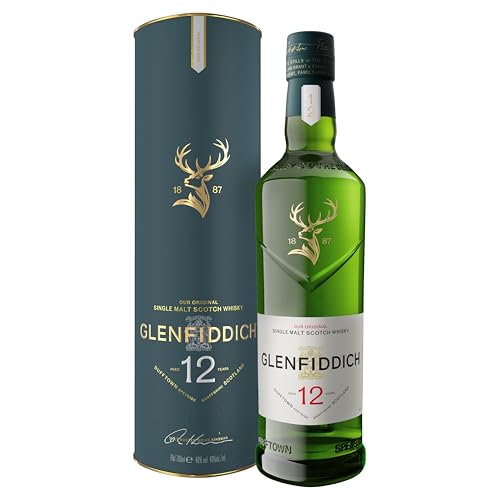
Glenfiddich 12
The best-selling single malt in the world and a classic to start with. Fruity notes of pear and green apple, soft and uncomplicated, with no rough edges. If you want to know what a typical Speyside malt tastes like, start here.

Glenlivet 12
An equally approachable Speyside malt with light fruit, a little pineapple and a gentle vanilla sweetness. Very soft, very clean, an ideal first single malt for anyone who likes it light.

Jameson
Probably the best door-opener of all: an Irish blend, triple distilled and therefore particularly soft. Mild, lightly nutty and inexpensive, as drinkable neat as in a long drink. Almost impossible not to like.

Glenmorangie The Original 12
A Highland malt with pronounced vanilla and citrus notes, elegant and soft. It is regarded as one of the most approachable single malts of all and shows well how much finesse a mild whisky can have.
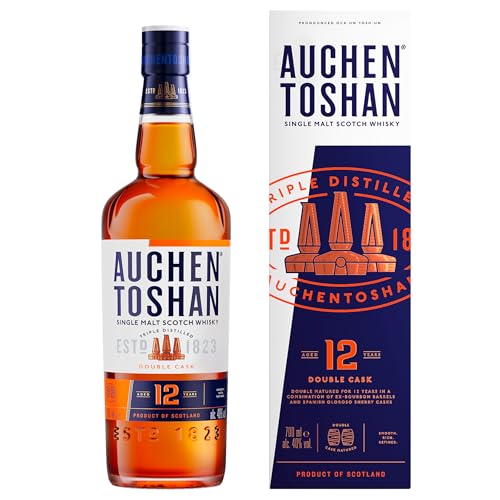
Auchentoshan 12
A Lowland malt, also triple distilled and therefore particularly gentle. Citrus, vanilla and a light almond note make it a friendly, unobtrusive companion for getting acquainted.

Monkey Shoulder
A blended malt from three Speyside distilleries, made for uncomplicated enjoyment. Vanilla, honey and orange, soft and slightly sweet. A good start neat and at the same time an excellent whisky for first cocktails.

Bushmills Original
A very inexpensive Irish blend, mild and clean with vanilla and light fruit. Ideal for finding out, risk-free, whether the soft Irish style suits you.

Aberlour 12 Double Cask
A little more character for the next step: a Speyside malt with gentle sherry cask sweetness, dried fruits and cinnamon. Still approachable, but already a touch fuller-bodied and warmer.
What makes a good beginner whisky
A beginner whisky should be mild, balanced and easy to drink. Robust peat smoke, a very high alcohol content or a dominant oak spice quickly overwhelm an untrained nose and can spoil the first impression. Better are fruity, soft or gently sweet bottlings at around 40 percent ABV.
The price plays a part too. To get acquainted you do not have to spend a fortune; depending on the brand, good beginner bottles are available from roughly 20 to 40 euros. That way you can try several styles at your leisure before settling on one.
It is also important that the bottle is readily available. All the recommendations in this guide are stocked by most supermarkets, specialist retailers and online shops, so you can find and compare them without trouble. Feel free to use our whisky comparison for that.
Which types of whisky are suitable for getting started
Not every type of whisky is equally approachable. Three directions in particular have proved their worth for getting started, which we briefly introduce here. All of them forgo robust smoke and rely instead on fruit, malt and softness.
Fruity Speyside single malts such as Glenfiddich 12 or Glenlivet 12 are the classic way in. They taste of light fruit and malt and show well what makes a single malt. Irish whiskeys such as Jameson are particularly soft and mild thanks to triple distillation. Blends, finally, combine several whiskies into a round, uncomplicated whole and are often inexpensive.
You should save smoky Islay malts for later. They are fascinating but very intense. If you are curious how this style tastes, read our guide to the best smoky whiskies before you buy a whole bottle.
| Style | Character | Example | Who it is for |
|---|---|---|---|
| Speyside single malt | fruity, soft, malty | Glenfiddich 12 | classic entry |
| Irish whiskey | very mild, triple distilled | Jameson | particularly gentle start |
| Blended Scotch | round, uncomplicated, inexpensive | Monkey Shoulder | everyday and cocktails |
| Highland single malt | vanilla-led, elegant | Glenmorangie 12 | a little more finesse |
This overview is deliberately simplified and is only meant to give you a first direction. Within each group there are big differences, which you are best off tasting for yourself.
How to enjoy your first whisky
It is best to drink your first whisky neat at room temperature, so that you pick up all the aromas. A bulbous glass that tapers towards the top concentrates the scent compounds and makes the experience more intense than a straight tumbler.
If the whisky seems too sharp to you, add a few drops of water. That opens up the aromas and softens the alcohol without destroying the character. Ice also cools and dilutes, but dampens the fine nuances, which is why real connoisseurs tend to avoid it with good bottlings.
Take your time and first nose the glass calmly before you take the first sip. You will find more tips in our guide on how to drink whisky properly.
Typical beginner mistakes and how to avoid them
The most common mistake is to reach for a very smoky or very strong whisky right at the start. That puts many people off before they have even found out what they like. It is better to work your way slowly from mild to more robust styles.
A second mistake is spending too much money on the first bottle. An expensive whisky is not automatically a better beginner, and if you do not like it, the frustration is all the greater. Start inexpensive and invest more once you know your direction.
Finally, many people judge too quickly after the first sip. Give each whisky a few minutes and several small sips, because the flavour changes in the glass and on the palate. If you are unsure which direction suits you, our whisky finder helps you along with five short questions.
Conclusion: your successful start with whisky
Whisky for beginners is simpler than many think if you begin with mild, approachable bottlings. Fruity Speyside malts, soft Irish whiskeys and round blends are the safest starting points and remain reliable companions later on too.
Feel free to try several styles, give each whisky some time and compare prices before you buy. Once you have found your favourite direction, you can feel your way step by step towards more robust, smoky or sherry-led bottlings. Feel free to browse our Scotch catalogue or the Irish whiskeys for that.
Related guides
Transparency note: This guide was created with AI assistance and reviewed by our editors before publication. All recommended bottles come from our real catalogue, and prices are guide values. The product photos are not AI images. How we use AI