9 sherry cask whiskies at a glance
This selection runs from a mild introduction to an intense sherry bomb at cask strength. All prices are guide values and may differ in the shops.
Advertisement: links to Amazon are affiliate links. If you buy through them, we earn a commission. The price you pay does not change.
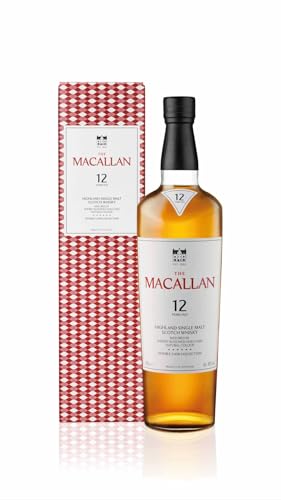
Macallan Double Cask 12
The icon of the style. The Macallan matures in American and European sherry oak and tastes of vanilla, honey and orange. Elegant, balanced and an excellent introduction to upmarket sherry cask whiskies.

Aberlour A'bunadh
The uncompromising sherry bomb at cask strength of around 60 percent, non-chill-filtered and uncoloured. Rich Oloroso sherry, raisin and dark chocolate, very intense. A few drops of water open it up beautifully.

Highland Park 12
An especially versatile bottling from the Orkney Islands: sherry sweetness with heather honey and a delicate hint of smoke. Approachable, balanced and very good value for money.

GlenDronach 12
A classic sherry bomb from the Highlands, matured in Pedro Ximenez and Oloroso casks. Dried fruits, nuts and malt, full-bodied and warming. A favourite of many sherry cask fans.

Balvenie DoubleWood 12
First matured in bourbon casks, then finished in sherry casks. The result is a harmonious blend of honey and dried fruit, gentle and round. A very approachable way into sherry.

Aberlour 12 Double Cask
The mild alternative to the A-bunadh: bourbon and sherry casks produce apple, cinnamon and subtle sherry sweetness. Balanced, affordable and ideal for anyone who does not want it too intense.

Glenfarclas 12
A traditional house with classic Oloroso maturation. Malt, nut and dry sherry sweetness at a very fair price, a real insider tip for sherry cask beginners.

Dalmore 12
Known for its orange marmalade note, complemented by sherry and chocolate from the Oloroso finish. Full-bodied and slightly opulent, an elegant treat.

Redbreast 12
The Irish special case: a single pot still with a share of sherry cask, creamy and spicy at the same time. It shows that excellent sherry cask whiskies do not only come from Scotland.
Why sherry casks shape the flavour
Whisky matures in wooden casks, and the wood gives up a large part of the later aroma. When a distillery uses casks that previously held Spanish sherry, the whisky takes on its dark, sweet character. This is how the typical notes of raisin, prune, fig and nut arise.
Sherry casks are more expensive and rarer than the widely used bourbon casks, which is why sherry cask whiskies are often a little pricier. For many enthusiasts the effort is worth it, because the maturation gives the whisky depth, warmth and an almost dessert-like richness.
Some whiskies mature entirely in sherry casks, others are only finished in them for a few months. Both routes lead to sherry-led aromas but differ in intensity. In the Scotch catalogue you will find examples of both approaches.
Oloroso or Pedro Ximenez: the two most important types of sherry
Not every sherry cask tastes the same, because the type of sherry matters. Oloroso sherry is drier and nuttier and gives the whisky spicy dried fruit and a delicate bitter note. It is the classic choice for balanced sherry cask whiskies such as the Glenfarclas.
Pedro Ximenez, PX for short, is a very sweet, dark sherry made from dried grapes. Casks that held it give the whisky intense sweetness and notes of raisin, date and chocolate. Many of the richest, darkest bottlings, such as GlenDronach, owe their character to the PX share.
Both types of sherry are often combined to balance sweetness and spice. If you would like to compare the two styles, put them side by side in the whisky comparison.
Sherry cask whisky for beginners and advanced drinkers
For getting started, mild, balanced sherry cask whiskies at around 40 percent ABV are a good fit, such as the Aberlour 12 or the Balvenie DoubleWood. They show the typical sherry sweetness without overwhelming you, and they are pleasantly approachable.
More experienced drinkers reach for more intense bottlings such as the Aberlour A-bunadh at cask strength. Such whiskies are powerful and complex, and with a few drops of water they unfold even more aromas. If you are only just getting to know the sherry cask style, you should approach the high alcohol strengths slowly.
What to look for when buying
Two details are worth a look. A cask-strength bottling contains considerably more alcohol and is more intense, while standard bottlings at 40 to 46 percent turn out milder. Whether a whisky was chill-filtered or coloured with caramel colouring is not openly stated by many producers, which is why we honestly mark these fields as unknown when we have no reliable source.
On price, the usual rule applies: compare several shops, because popular sherry cask whiskies in particular fluctuate a lot. Also pay attention to the cask information in the name, because a pure Oloroso tastes different from a PX finish. If you are unsure which style suits you, our whisky finder can help.
When sherry meets smoke
It gets especially appealing when sherry cask maturation and peat smoke meet. Some distilleries mature smoky whisky in sherry casks, so that dark fruit sweetness and peat smoke come together. The result is complex and layered, with raisin and smoke in a single glass.
A well-known example of this combination is the Lagavulin 16, whose dense peat smoke is carried by a delicate sherry sweetness. The lightly smoky Highland Park 12 also shows how well the two worlds complement each other. If you like smoky whiskies, you should definitely try this combination.
Such bottlings are ideal for enthusiasts who like it intense and varied. You will find more recommendations in the guide to the best smoky whiskies.
Conclusion: dark richness for enthusiasts
Sherry cask whiskies are among the warmest and most inviting of their kind. Their dark fruit sweetness, the nut and spice notes and the full-bodied texture make them ideal companions for quiet evenings and the cold season.
Whether a mild introduction or a powerful sherry bomb, this selection has something for every taste. Take your time getting to know them, compare the prices and browse our beginner recommendations for more classics.
Related guides
Transparency note: This guide was created with AI assistance and reviewed by our editors before publication. All recommended bottles come from our real catalogue, and prices are guide values. The product photos are not AI images. How we use AI