8 recommended Speyside whiskies at a glance
These eight single malts cover the range of the region, from the fruity, light entry-level bottle to the powerful sherry malt at cask strength. All are readily available. Prices are guide values for orientation; the price on the day may differ.
Advertisement: links to Amazon are affiliate links. If you buy through them, we earn a commission. The price you pay does not change.
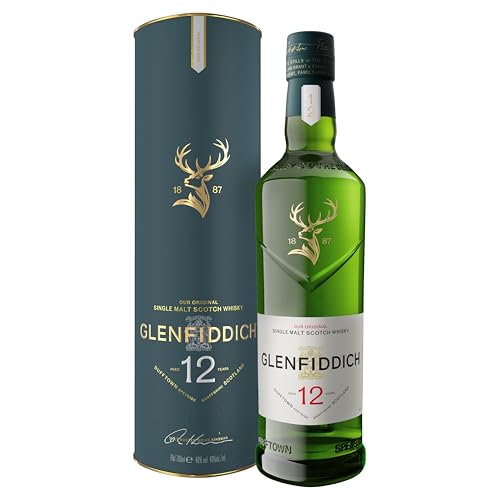
Glenfiddich 12
The best-selling single malt in the world and for many the very first Speyside bottle. Pear, green apple and malt on the nose, fruity with pear and delicate oak on the palate, and a medium-length, soft finish. For approx. €26 you get a very clean, approachable malt. That very approachability is also the weakness: at 40 percent ABV it stays well-behaved and quickly becomes too harmless for experienced drinkers.

Glenlivet 12
The region's second great classic and the somewhat more floral alternative to Glenfiddich. Pineapple, blossom and vanilla on the nose, fruity with honey and vanilla on the palate, and a gentle, medium-length finish. Similar in price: approx. €27. If you try the two side by side, you notice well how different fruity and light can taste. Here too: easy drinking, few rough edges.

Aberlour 12 Double Cask
The best way into the sherry-heavy Speyside style and our value-for-money tip on the list. Sherry, apple and cinnamon on the nose, dried fruits, malt and sherry on the palate, and a medium-length, spicy finish. For approx. €36 you get distinctly more depth than from the two classics above. The 40 percent ABV does hold it back somewhat, though; with more alcohol it would be denser still.

Glenfarclas 105
A serious cask strength from the region and an exclamation mark for approx. €63. Sherry, raisins and spice on the nose, powerful sherry sweetness with nut and oak on the palate, and a long, warming and spicy finish. At 60 percent ABV it is not something for casual sipping: without a splash of water it overruns untrained palates. If you are after sherry power, you get an enormous amount of power here.
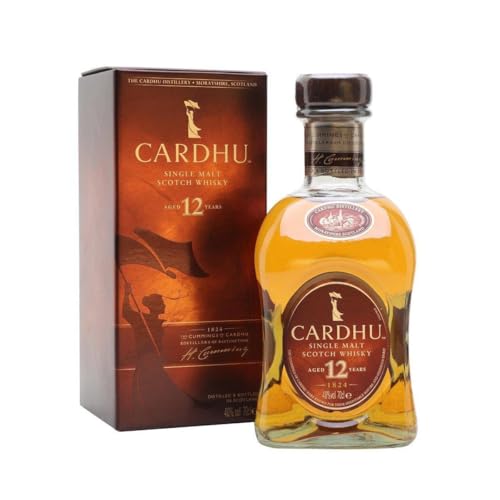
Cardhu 12
The mildest malt on this list and a deliberately quiet whisky. Apple, pear and honey on the nose, malt, fruit and vanilla on the palate, and a finish that is simply gentle. Currently approx. €29. Cardhu is the home distillery behind Johnnie Walker and tastes accordingly round and free of conflict. Ideal as a gift for cautious drinkers, but too reserved for the more advanced.

Glenfiddich 15 Solera
The distinctly more interesting side of Glenfiddich and proof that the brand can do more than the 12. Honey, sherry and marzipan on the nose, honey, dried fruits and spice on the palate, and a long, warm finish. For approx. €40 a noticeable jump in depth. The whisky matures partly in a solera vat that is never emptied completely, which gives it its creamy consistency.

Balvenie DoubleWood 12
The classic among sherry-finish malts and an often recommended gift whisky. Honey, sherry and vanilla on the nose, honey, dried fruits and spice on the palate, and a long, warm finish. Currently approx. €44. It matures first in bourbon casks and spends its last months in a sherry cask, hence the name. Price-wise it sits above the Aberlour (approx. €36) without consistently offering more.
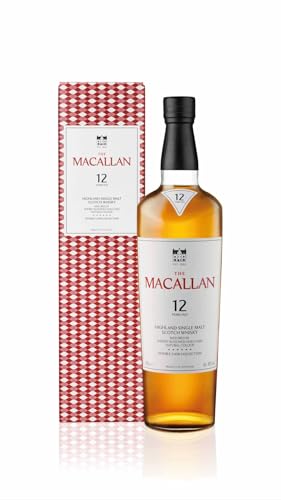
Macallan Double Cask 12
One of the most expensive malts on the list and the one with the biggest name. Vanilla, honey and dried fruit on the nose, sherry, honey and orange on the palate, and a medium-length, sweet and spicy finish. Currently approx. €63. Sensorially it is a very good whisky, but not one that is twice as good as the Aberlour 12. You are clearly paying for the brand here too, and that should be said honestly.
What defines Speyside whisky
Speyside is not a large area but a comparatively small territory in the county of Moray that lies around the River Spey and its tributaries. Officially it is one of the whisky regions recognised by the Scotch Whisky Association, and by far the most densely packed: some 50 active distilleries stand on this manageable stretch of land. Historically there are good reasons for this, because the area offered soft water, good barley, peat for heating and remote glens in which illicit distilling used to work superbly.
In terms of flavour, the region stands for a style that manages without heavy smoke. Instead of peat and iodine, malt, fruit, honey and very often sherry cask aromas define the picture. That makes Speysiders approachable without necessarily being boring: between a bright, floral Glenlivet 12 and a dense sherry heavyweight like Glenfarclas 105 lie worlds in flavour.
How Speyside fits into the rest of Scotland's whisky landscape, from the Highlands to Islay, is explained in detail in our guide to the whisky regions of Scotland. You will find all bottlings from the region gathered in our Scotch whisky category.
The two faces of Speyside: fruity or sherry-heavy
If you buy Speyside whisky, you should above all answer one question for yourself: fruity and light, or sherry-sweet? These two profiles divide the region fairly cleanly, and they taste so different that belonging to the region says little about the bottle on its own.
The fruity, light style relies on bright casks, mostly former bourbon casks of American oak. They give off vanilla, honey, pear and apple. Glenfiddich 12, Glenlivet 12 and Cardhu 12 stand for exactly that. The sherry-sweet style, on the other hand, uses former sherry casks of European oak, which bring raisin, dried fruit, nut and spice. Aberlour 12 Double Cask and Glenfarclas 12 are the honest classics here.
Some bottlings deliberately take the middle path. Balvenie DoubleWood 12 matures most of its life in a bourbon cask and only switches to a sherry cask at the end, which gives it honey and dried fruit at the same time. Which cask type brings which flavour is broken down at length in our guide to cask types.
| Distillery | Typical style | Character | Example |
|---|---|---|---|
| Glenfiddich | fruity and light | pear, apple, malt | Glenfiddich 12 |
| Glenlivet | fruity and light | pineapple, blossom, vanilla | Glenlivet 12 |
| Cardhu | fruity and light | apple, honey, very mild | Cardhu 12 |
| Balvenie | mixed | honey, vanilla, sherry finish | DoubleWood 12 |
| Aberlour | sherry-sweet | dried fruit, cinnamon, malt | Aberlour 12 Double Cask |
| Macallan | sherry-sweet | sherry, honey, orange | Double Cask 12 |
| Glenfarclas | sherry-sweet | raisin, nut, oak | Glenfarclas 105 |
The classification describes the typical style of the standard bottling. Almost every distillery also has special bottlings in its range that can turn out distinctly different.
Why Speyside is the best region for beginners
There is a practical reason why almost every whisky recommendation for beginners ends up in Speyside: the region asks the least of the palate. Peat smoke, iodine and medicinal notes, as they shape many Islay malts, are tastes you have to get used to. Malt, honey and fruit, on the other hand, practically everyone understands at once.
Then there is the price. At approx. €26 and approx. €27 respectively for a twelve-year-old single malt, Glenfiddich 12 and Glenlivet 12 sit in a range where a wrong decision does not hurt. Both are also available everywhere, so you do not have to hunt. You will find more mild starter bottles, including from outside Scotland, in our guide to the best whiskies for beginners.
A note in the interest of honesty: the very qualities that make these malts beginner-friendly bore many drinkers after a while. If the 12 eventually becomes too smooth for you, that is not a fault of the bottle but a sign that your palate has moved on. The next step then usually leads to higher bottling strength or a larger sherry share.
The next step: cask strength and older bottlings
Once you have the entry level behind you, Speyside offers plenty of room to move up. The most obvious jump is bottling strength. Standard bottlings are usually diluted to 40 to 43 percent, while cask strength malts come into the glass unfiltered and undiluted. Glenfarclas 105 at 60 percent and Aberlour A'bunadh at a good 60 percent are the two best-known representatives of the region. Both need water and time, but reward that with a density that no 40 percent malt reaches. What lies behind the term is explained in our guide to cask strength.
The second way up leads through age. Glenfiddich 18 and The Glenlivet 18 show how familiar house styles change with more time in the cask: rounder, spicier, with a distinctly longer finish. With Macallan, Macallan 15 and Macallan 18 move into three-figure price ranges, where you do notably pay for the collector status of the brand.
Important to know: more years do not automatically mean more enjoyment. A young cask strength can be more intense and more exciting than an old, gentle malt. Why a high number on the label is no promise of quality is assessed in the guide NAS versus age statement.
Conclusion: which Speysider suits you?
If you are just starting out, reach for Glenfiddich 12 or Glenlivet 12. They cost approx. €26 and approx. €27 respectively, and neither does anything wrong. If you like it a little darker and spicier from the start, Aberlour 12 Double Cask at approx. €36 offers the best value for money on this list.
If you are looking for power instead of gentleness, there is no way around Glenfarclas 105, which delivers an unusual amount of cask strength for approx. €63. As a gift, Balvenie DoubleWood 12 and Macallan Double Cask 12 work most reliably, because both names ring a bell even with non-experts. More gift ideas are collected in our guide whisky as a gift.
The current guide price is given with every recommendation, so good Speyside whisky is not an expensive hobby. If you are unsure which profile suits you, our whisky finder leads you to suitable bottles in a few steps. You can put two candidates directly side by side in the whisky comparison.
Related guides
Transparency note: This guide was created with AI assistance and reviewed by our editors before publication. All recommended bottles come from our real catalogue, and prices are guide values. The product photos are not AI images. How we use AI